Showing posts with label new homes. Show all posts

Wednesday, October 20, 2010

Housing bust withered California's economy, job market

oilspill
Nov. deadline looms for
emergency BP oil claims
New home construction contributed only $13.8 billion to California's economy in 2009 and nearly 77,000 jobs, down 80 percent from $67.7 billion in economic output and a whopping 84 percent from 487,000 jobs when the home-building boom peaked in 2005 statewide.

by Broderick Perkins
© 2010 DeadlineNews.Com

Enter The Deadline Newsroom

Unauthorized use of this story is a copyright violation -- a federal crime


Deadline Newsroom - When housing went down in the Golden State it took Californian jobs and a chunk of the economy with it.

The bust has cost the Golden State hundreds of thousands of jobs, and $54 billion in economic output.

According to "The Economic Benefits of Housing," study by the California Homebuilding Foundation, an economic research and consulting group, every newly constructed single-family home generates 3.24 jobs during construction and supports another 1.2 jobs, and each dollar spent building a home generates another 80 cents in total economic activity.

With deep fissures in the housing market, an economic cornerstone, new home construction alone contributed only $13.8 billion to California's economy in 2009 and nearly 77,000 jobs, down 80 percent from $67.7 billion in economic output and a whopping 84 percent from 487,000 jobs when the home-building boom peaked in 2005 statewide.

In Monterey County, in 2008, builders constructed 456 new homes and only 194 in 2009. Monterey's new home construction generated 811 jobs in 2008 but only 372 last year. New home construction generated nearly $140 million in economic output in 2008 in Monterey County, but only about $64 million in 2009.

At the peak statewide, the 205,000 new homes permitted accounted for almost 3 percent of the state's total economic output. That fell to 0.4 percent in 2009, when only 35,000 new homes were permitted statewide, the study says.

Even at the peak, the number of new homes permitted fell below the 220,000 that the state Department of Housing and Community Development said are needed annually to meet normal population growth.

It's not just the direct economic effects of the new home building industry's construction efforts.

Toss in a range of related services including remodeling, repair, brokerage, property management and financing and the industry generates more than $347 billion of economic output and supports nearly 1 million jobs statewide, according to the study.

Nearly 11 percent of California's total economic output is from the entire housing industry, ranking it first among the state's leading output industries. Even after the downturn the industry's economic output outpaces wholesale and retail trade; professional scientific and technical services and information.

While the output contributes to all counties, benefits are highest in the largest regions, including Los Angeles, Orange and San Diego Counties.

The study was designed to reveal the significance of the housing industry on two levels:

• The full range of economic impacts of new housing construction, including support industries and consumption of expenditures generated through the multiplier or ripple effect.

• The still greater significance of the entire housing industry including residential real estate, financing, maintenance and repair, additions and alterations, construction, homeowner expenditures, property manage and all other aspects of the entire stock of owner- and renter-occupied housing.

• Click on the keywords below for more stories on this subject.

© 2010 DeadlineNews.Com

Advertise on DeadlineNews.Com | Shop DeadlineNews.Com

Get "News that really hits home!" for your Web site or blog from the DeadlineNewsGroup.Com.

You are reading a sample of "News that really hits home!" now available from several beats and published in a growing number of locations.

Broderick Perkins, an award-winning consumer journalist, parlayed 30 years of old-school journalism into a digital real estate news service, the San Jose, CA-based DeadlineNews Group, including DeadlineNews.Com, a real estate news and consulting service and Web site, and the Deadline Newsroom, DeadlineNews.Com's news back shop.

Under the DeadlineNews Group umbrella:

Perkins is managing editor of HomeAway.com's Gulf Coast Response Center.

Perkins was the first Examiner to cover three beats for the Examiner.com news service:
• National Real Estate Examiner
• National Consumer News Examiner
• National Offbeat News Examiner

Other DeadlineNews Group Feeds are available from DeadlineNews.Com.

DeadlineNews.Com's Editorial Content Is Intellectual Property • Unauthorized Use Is A Federal Crime


Read more!

Monday, April 26, 2010

New home sales nothing to write home about

From December 2001 to December 2004 the annual sales pace hovered around 1 million or more homes and in 2005 the annual sales pace peaked at about 1.28 million, before taking a nose dive.

From March of 2009 to March of 2010, the annual sales pace of new homes, reported each month, has broken the 400,000 barrier only four times.

For all of 2008, the new home sales pace averaged 485,000 and then tanked at 374,000 in 2009.

by Broderick Perkins
© 2010 DeadlineNews.Com
Enter The Deadline Newsroom

Unauthorized use of this story is a copyright violation -- a federal crime


Deadline Newsroom - New-home sales rose 27 percent in March to an annual pace of 411,000 new home sales per year.

That was the largest percentage gain since April 1963 and highest annual pace since July of 2009, according to U.S. Department of Commerce data.

What's more, the number was much stronger than the 335,000 pace MarketWatch-surveyed economists expected.

The story played out above the fold on front pages, above the scroll on home pages and all around blogging town.

"U.S. home sales surge"

"Builders rally on bounce in new-home sales"

"Home sales are cookin'" (An Associated Press headline, believe it or not.)

The headlines blared.

"Yawn," the economy replied and rolled back over.

Economists' expectations were probably right on, because without the home buyer tax credit of up to $8,000 and mortgage interest rates' five quarter run on the 5 percent mark, the annual housing sales pace would still be stuck in the middle 300,000s.

Ironically, that's today's going price range for many of those half-million dollar boom-time homes.

Unemployment has surged. Joblessness is cookin'.

Calling the increase to a paltry 411,000 homes sold annually a "surge" is like lacing data with morphine -- but not enough to kill the pain.

New home sales were more than 300 times higher at the peak of the market then they are now. Three hundred times. Since the peak, new home sales have crashed 68 percent -- nearly 70 percent of the new home market -- gone.

From December 2001 to December 2004 the annual sales pace hovered around 1 million or more homes and in 2005 the annual sales pace peaked at about 1.28 million, before taking a nose dive, according to new and existing home sales data compiled by the National Association of Home Builders.

From March of 2009 to March of 2010, the annual sales pace of new homes, reported each month, has broken the 400,000 barrier only four times.

For all of 2008, the new home sales pace averaged 485,000 and then tanked at 374,000 in 2009.

The larger 5 million-a-year resale market fell half as far (Perhaps more, considering the share of distressed properties.). From 2005 (7 million) to 2009 (5 million), the resale sales market has been slashed by about 27 percent, nearly a third, according to the same data.

That's the real story about home sales.

Slashed and burned.

We aren't in Kansas anymore.

It's the land of Catch-22.

Easy mortgage money has gone the way of skyrocketing home sales as the financiers of the greatest recession since the Great Depression cower and ration credit to protect their assets.

You can't buy a home in an economy that's had its legs cut out from under it by the housing market. If the housing market can't get on its feet, well, the economy won't have a leg to stand on.

Even if you have a job and good credit it doesn't mean diddily if the lender had a bad day on Wall Street -- or a good day.

Here's your surge.


• Click on the keywords below for more stories on this subject.

© 2010 DeadlineNews.Com

Advertise on DeadlineNews.Com | Shop DeadlineNews.Com

Get "News that really hits home!" for your Web site or blog from the DeadlineNewsGroup.Com.

You are reading a sample of "News that really hits home!", now available from several beats and published in a growing number of locations.

Broderick Perkins, an award-winning consumer journalist, parlayed 30 years of old-school journalism into a digital real estate news service, the San Jose, CA-based DeadlineNews Group, including DeadlineNews.Com, a real estate news and consulting service and Web site, and the Deadline Newsroom, DeadlineNews.Com's news back shop.

Perkins was the first Examiner to cover three beats for the Examiner.com news service:
• National Offbeat News Examiner
• National Consumer News Examiner
• National Real Estate Examiner

DeadlineNews.Com's Editorial Content Is Intellectual Property • Unauthorized Use Is A Federal Crime


Read more!

Tuesday, April 6, 2010

Always time for a home inspection

dlnlogo
Always time for an inspection
For $350 to $500, a professional home inspector will review the major, visible and accessible components of the home and provide a detailed written report rating each element.

by Broderick Perkins
© 2010 DeadlineNews.Com

Enter The Deadline Newsroom

Unauthorized use of this story is a copyright violation -- a federal crime


Deadline Newsroom - It's a good time for a home inspection.

In today's tired housing market, a home inspection can wake up buyers to what "as is" really is and give them a negotiating edge that could lead to cash or repair concessions.

For sellers, a home inspection serves as an anti-haggling tool and keeps the dickering down to a roar.

An inspection is also for new homes, given new home defects aren't just incidental.

It's also a good tool to use to assess a home's integrity after a natural disaster, including flooding, an earthquake, a wind or rain storm.

Finally, a home inspection by home owners who aren't listing their home for sale can let them know every few years what maintenance or upgrades they need to perform.

It's always a good time for a home inspection.

For $350 to $500, a professional home inspector will review the major, visible and accessible components of the home and provide a detailed written report rating each element. Typically included are the heating system; central air conditioning system (climate permitting); interior plumbing and electrical systems; the roof, attic and visible insulation; walls, ceilings, floors, windows and doors; the foundation, basement and structural components.

The inspection isn't intrusive and it may not include swimming pools, septic tanks, and other systems that require an inspection by a specialist.

The objective report should include detailed information in a way that allows the customer to make informed decisions about the findings.

The inspection also can be a learning opportunity for the buyer or seller who should attend the inspection. The inspection is an opportunity to see the inspector demonstrate systems and to get acquainted with necessary maintenance chores.

The inspection also sees through the veil of misleading staging and other cover-ups and it can help buyers uncover building permit and code violations.

Sellers can likewise use the inspection to determine what they need to do to put the home in competitive shape or price it fairly to sell as-is.

While a home inspection, purchased by the buyer or seller or both, is more common than it's ever been, too many home buyers skip the process.

That's especially true for new homes, but they also need a once over. There could be subcontractor issues missed by the contractor as well items missed by the local jurisdiction's harried building inspector.

Studies have exposed newly built single family homes with construction problems related to the building envelope; framing and structural elements and in the plumbing and electrical systems.

As homes age, given the life expectancy of certain systems, the home inspection grows in importance.

Within 10 years, foundation settling could create drainage problems; by the age of 20, appliances are well outdated and the roof and wood components exposed the weather or moisture could need replacing; at 40 years the HVAC system will likely need replacement. Older historic or architecturally significant homes can develop structural problems and need restoration.

Safety hazards that crop up in older homes include old sliding glass windows that are not tempered safety glass, missing smoke alarms and missing pressure relief valves on water heaters.

Neglect plays a role too, as the lack of preventative maintenance takes it toll. Some homeowners take better care of their car than their biggest investment.

The American Society of Home Inspector's (ASHI) "Virtual Home Inspection Tour" online can give you a sense of what a professional inspector sees, what areas he or she can't see and won't inspect and what the inspector is likely to find and where.


• Click on the keywords below for more stories on this subject.

© 2010 DeadlineNews.Com


Advertise on DeadlineNews.Com | Shop DeadlineNews.Com

Get "News that really hits home!" for your Web site or blog from the DeadlineNewsGroup.Com.

You are reading a sample of "News that really hits home!", now available from several beats and published in a growing number of locations.

Broderick Perkins, an award-winning consumer journalist, parlayed 30 years of old-school journalism into a digital real estate news service, the San Jose, CA-based DeadlineNews Group, including DeadlineNews.Com, a real estate news and consulting service and Web site, and the Deadline Newsroom, DeadlineNews.Com's news back shop.

Perkins is also the first Examiner to cover three beats for the Examiner.com news service:
• National Offbeat News Examiner
• National Consumer News Examiner
• National Real Estate Examiner


DeadlineNews.Com's Editorial Content Is Intellectual Property • Unauthorized Use Is A Federal Crime


Read more!

Monday, March 29, 2010

California's improved home buyer tax credit a day late, but still great

ceostage
Horse-drawn cart art down payment
California's new and improved home buyer tax credit provides $200 million in home buyer tax credits, double the original $100 million and the new version is not just for first-time home buyers.

by Broderick Perkins
© 2010 DeadlineNews.Com

Enter The Deadline Newsroom

Unauthorized use of this story is a copyright violation -- a federal crime


Deadline Newsroom - A repeat windfall for home buyers, and once considered as hopeless as a balanced budget in the Golden State, California's popular home buyer tax credit is back -- and it's better than ever.

In fact, it's twice as good as it was before.

The Golden State's home buyer tax credit sequel, AB 183, recently signed by movie star Governor Arnold Schwarzenegger, is back and it's upstaged the original deal by providing $200 milliion in home buyer tax credits, double the original $100 million for qualified first time home buyers who purchased new homes, and the new version is not just for first-time home buyers.

"I have been up and down the state pushing this important housing bill that will get people off the fence and into homes while creating jobs and stimulating our economy and today I am proud to take action and put it into law," said Governor Schwarzenegger at the legislation's signing ceremony.


At 12.5 percent, California has the fifth highest unemployment rate in the nation.

The new law's $200 million allocations is split 50/50 between eligible first time home buyers who purchase an existing home and anyone purchasing a new home. First-time buyers are defined as those who have not owned a home in the past three years.

"The American dream is on sale. It's the Blue Light Special of home buying in California!" exclaimed Julie Larsen Wyss, a broker associate with Intero Real Estate in San Jose, CA.

Unfortunately, the immediately obvious flaw in California's home buying carrot is that it takes effect May 1, 2010 the day after the existing and also expanded federal home buyer tax credit is scheduled to end, April 30, 2010.

When both the California and federal home buying tax credits were available simultaneously, Californians struck a mother lode of a home buying tax credit up to a maximum total of $18,000.

The first $100 million tax credit, approved in February 2009 was only for first time home buyers who purchased only new homes. Funds ran out after just four months with 10,659 Californians claiming the credit.

Under the new California home buying tax credit there's $100 million for first-timers purchasing resale homes and $100 million for anyone buying a new home. There's no limit on the price of the home and no income limitations on buyers.

The tax credit is equal to the lesser of 5 percent of the purchase price or $10,000. It is not a refundable tax credit like the federal tax credit but must be taken in equal installments over three consecutive years to offset state taxes due.

Home buyers taking the credit will be required to live in the home as their principal residence for at least two years or forfeit the credit by repaying it to the state. Buyers also must be at least 18 years old and be unrelated to the seller.

First come-first served eligible taxpayers must close escrow between May 1, 2010 and Dec. 31, 2010, or after December 31, 2010 and before August 1, 2011, pursuant to an enforceable contract executed on or before December 31, 2010.

Watch for clarifications from the states Franchise Tax Board

• Click on the keywords below for more stories on this subject.

© 2010 DeadlineNews.Com


Advertise on DeadlineNews.Com | Shop DeadlineNews.Com

Get "News that really hits home!" for your Web site or blog from the DeadlineNewsGroup.Com.

You are reading a sample of "News that really hits home!", now available from several beats and published in a growing number of locations.

Broderick Perkins, an award-winning consumer journalist, parlayed 30 years of old-school journalism into a digital real estate news service, the San Jose, CA-based DeadlineNews Group, including DeadlineNews.Com, a real estate news and consulting service and Web site, and the Deadline Newsroom, DeadlineNews.Com's news back shop.

Perkins is also the first Examiner to cover three beats for the Examiner.com news service:
• National Offbeat News Examiner
• National Consumer News Examiner
• National Real Estate Examiner


DeadlineNews.Com's Editorial Content Is Intellectual Property • Unauthorized Use Is A Federal Crime


Read more!

Monday, December 28, 2009

Housing market mixed as new, existing home sales hit fork in the road

dlnlogo
Top 2009 Offbeat News Stories
New home sales tank as resales surge. Experts say reliance upon federal programs reveals underlying weakness in the housing market.

by Broderick Perkins
© 2009 DeadlineNews.Com

Enter The Deadline Newsroom

Unauthorized use of this story is a copyright violation -- a federal crime


Deadline Newsroom - At year's end, the nation's housing market has become a mixed bag of ups and downs, revealing continued weakness and uncertainty.

Sales of newly built, single-family homes declined 9 percent in November, compared to a year ago, according to the Commerce Department.

On the other hand, existing home sales rose for the tenth straight month in November, and were more than 42 percent above sales a year ago, according to the National Association of Realtors (NAR).

Experts say the home buyer tax credit is partially to blame for the market's wall-eyed behavior.

New-home sales are recorded when a contract is signed. Sales tanked in November when the tax credit was supposed to expire as buyers gave up, figuring they couldn't sign in time to meet the deadline and cash in.

Existing-home sales, which are recorded when a sale closes, leaped because folks had been scrambling for months to finish their deals before the Nov. 30 expiration.

The home buyer tax credit was extended and expanded to include move up buyers, but the damage had already been done, leaving concerns about what's really fueling the housing market.

Experts question how well the housing market will fare after the new home buyer tax credit's expiration next year, particularly if one month's new home sales numbers were so dependent on the tax credit's status.

Other government stimuli, including the Federal Reserve spending $1.25 trillion in mortgage-backed securities to help keep mortgage interest rates low, can't last forever.

"They (sales numbers) also show just how important it was that Congress moved when it did to help spur housing demand by extending and expanding the home buyer tax credit beyond its November deadline. We hope to start seeing the intended effects of that move on buyer demand in early 2010 as families determine their purchasing plans following the holidays," said Tulsa, OK home builder Joe Robson, also chairman of the National Association of Home Builders (NAHB).

But it's not just the tax credit.

"The emerging housing recovery is on a bumpy path that is strewn with obstacles, including the extreme difficulties that builders are encountering in obtaining financing for new projects and inaccurate appraisals that are now scuttling a third of new-home sales. Today’s report reinforces just how fragile the housing recovery remains and the potential damage that any further retardants could cause," said Robson.


• Click on the keywords below for more stories on this subject.

© 2009 DeadlineNews.Com


Advertise on DeadlineNews.Com | Shop DeadlineNews.Com

Get "News that really hits home!" for your Web site or blog from the DeadlineNewsGroup.Com.

You are reading a sample of "News that really hits home!", now available from several beats and published in a growing number of locations.

Broderick Perkins, an award-winning consumer journalist, parlayed 30 years of old-school journalism into a digital real estate news service, the San Jose, CA-based DeadlineNews Group, including DeadlineNews.Com, a real estate news and consulting service and Web site, and the Deadline Newsroom, DeadlineNews.Com's news back shop.

Perkins is also the first Examiner to cover three beats for the Examiner.com news service:
• National Offbeat News Examiner
• National Consumer News Examiner
• National Real Estate Examiner


DeadlineNews.Com's Editorial Content Is Intellectual Property • Unauthorized Use Is A Federal Crime


Read more!

Monday, July 13, 2009

Update: CPSC opens Drywall Information Center

dlnlogo
Another Whopper ad bomb
Hindu blessing meat sandwich
Since its initial findings that Chinese drywall contains substances less present in U.S. drywall or not present at all, the CPSC has worked with its Chinese counterpart to pursue the case after hundreds report the building material is sickening.

by Broderick Perkins
© 2008 DeadlineNews.Com
Enter The Deadline Newsroom
Unauthorized use of this story is a copyright violation -- a federal crime

Deadline Newsroom - The Consumer Product Safety Commission (CPSC), recently set up a Web site to keep consumers, drywall manufacturers, builders and other apprised of its investigation into the latest problematic Chinese import, drywall used to build homes.

Drywall imported from China, blamed for rotten egg odors, fast metal corrosion and health problems for some homeowners, contains sulfur and other materials not found in U.S. made drywall, according to preliminary federal tests.

CPSC's Drywall Information Center offers updates (online and via email) on the investigation, help for homeowners trying to determine if their drywall is making them sick, where drywall problems have been reported and other related information.

Preliminary research from the U.S. Environmental Protection Agency found the Chinese-made drywall contained sulfur, which is not in U.S. drywall, but widely used in black gunpowder, matches, insecticides and fungicides.

EPA tests also found strontium, (a metallic element that is highly reactive chemically, including, in a finely powdered state, spontaneous ignition at room temperature) at levels 10 times as high as in U.S. drywall.

The EPA also found two other organic compounds, generally found in acrylic paint, but not in U.S.-made wallboard. They were
• propanoic acid, 2-methyl-, 2,2-dimethyl-1-(2-hydroxy-1-methylethyl) propyl ester
• propanoic acid, 2-methyl-, 3-hydroxy-2,4,4-trimethylpentyl ester.
latest, potentially explosive, problematic import.

Since those findings, the CPSC has worked with their Chinese counterpart, the General Administration of Quality Supervision, Inspection and Quarantine (AQSIQ) and hope to visit Chinese gypsum ore mining and wall board manufacturing facilities. CPSC also hosted Chinese officials visiting homes in Florida and Louisiana.

Some 36,000 homes in Florida, as well as additional properties in post-Hurricane Katrina Louisiana and Virginia, Alabama, Mississippi and California, were constructed with the Chinese-made material, recently found to be quite different from U.S.-made drywall.

CPSC is also investigating complaints, tracking imports, analyzing health effects, air sampling 50 homes, collecting samples and otherwise pursing the investigation.

The questionable residential building material has been installed in some 100,000 homes nationwide according to U.S. Senator Bill Nelson (D-FL), whose high number of complaining constituents put him at spearhead of an effort to learn more about the suspect drywall.

The case has drawn class action and builder-originated suits against suppliers and manufacturers.

• Click on the keywords below for more stories on this subject.

© 2008 DeadlineNews.Com


Advertise on DeadlineNews.Com | Shop DeadlineNews.Com

Get "News that really hits home!" for your Web site or blog from the DeadlineNewsGroup.Com.

You are reading a sample of "News that really hits home!", now available from several beats and published in a growing number of locations.

Broderick Perkins, an award-winning consumer journalist, parlayed 30 years of old-school journalism into a digital real estate news service, the San Jose, CA-based DeadlineNews Group, including DeadlineNews.Com, a real estate news and consulting service and Web site, and the Deadline Newsroom, DeadlineNews.Com's news back shop.

Perkins is also the first Examiner to cover three beats for the Examiner.com news service:
• National Offbeat News Examiner
• National Consumer News Examiner
• National Real Estate Examiner


DeadlineNews.Com's Editorial Content Is Intellectual Property • Unauthorized Use Is A Federal Crime


Read more!

Friday, June 5, 2009

Offbeat, on-the-money home-selling ideas

montauk
New 'Montauk Monster' plots
Bankrate.com recently reported five ways you may not have considered to sell your home and just in time. Selling a home during a recession requires that you get creative -- really creative.

by Broderick Perkins
© 2008 DeadlineNews.Com
Enter The Deadline Newsroom

Unauthorized use of this story is a copyright violation -- a federal crime


Deadline Newsroom - Selling a home during a recession requires that you get creative -- really creative.

Bankrate.com recently reported five ways you may not have considered to sell your home.

They are:

• Sleep overs. Take a cue from HGTV's "Sleep on It" and let prospective buyers stay in your home as they ponder the deal. You might not get any sleep with strangers in the house, but they'll get to see what it feels like to "live" in their potential dream home.

• Longer sleep overs. Some owners are hiring house sitters to live in their home and give it that, well, "lived in" look and feel. And some sellers are letting the house go with everything in it -- sans the house sitter, of course -- fully furnished. The technique takes staging to the next level, but again, sleepless nights for you hoping the sitter doesn't walk away with your stuff.

• Swap homes. See GoSwap.org and OnlineHousetrading.com to help learn how to find others who share your housing preferences. It's not going to be as easy as finding a soul mate on sites like Eharmony.com. Finding a perfect home swapping mate requires time and effort. If you need to sell in a hurry, fugedaboudit.

• Find a builder. Some builders will buy your home, for later sale, if you buy one of their new homes. Don't expect a big profit, but this strategy could give you a fast move if you find a builder with an over supply -- not a difficult task.

• Offer incentives. New home builders slash home prices by as much as $100,000, but if you don't have that kind of equity to throw away consider everything from gas cars to motor scooters (to stretch that gas card). Pay homeowners association dues, offer skiing equipment, leave one room furnished. Get creative to create some buzz for your listing.

• Click on the keywords below for more stories on this subject.

© 2008 DeadlineNews.Com


Advertise on DeadlineNews.Com | Shop DeadlineNews.Com

Get "News that really hits home!" for your Web site or blog from the DeadlineNewsGroup.Com.

You are reading a sample of "News that really hits home!", now available from several beats and published in a growing number of locations.

Broderick Perkins, an award-winning consumer journalist, parlayed 30 years of old-school journalism into a digital real estate news service, the San Jose, CA-based DeadlineNews Group, including DeadlineNews.Com, a real estate news and consulting service and Web site, and the Deadline Newsroom, DeadlineNews.Com's news back shop.

Perkins is also the first Examiner to cover three beats for the Examiner.com news service:
• National Offbeat News Examiner
• National Consumer News Examiner
• National Real Estate Examiner


DeadlineNews.Com's Editorial Content Is Intellectual Property • Unauthorized Use Is A Federal Crime


Read more!

Thursday, May 21, 2009

Chinese drywall latest, potentially explosive, problematic import

dlnlogo
Va voom! 'Hottest First Lady'
Consumers complain Chinese drywall stinks, corrodes, makes them sick. EPA finds it unlike US-made drywall. Investigation to continue and likely find real problems.

by Broderick Perkins
© 2008 DeadlineNews.Com
Enter The Deadline Newsroom

Unauthorized use of this story is a copyright violation -- a federal crime

Deadline Newsroom - Drywall imported from China, blamed for rotten egg odors, fast metal corrosion and health problems for some homeowners, contains sulfur and other materials not found in U.S. made drywall, according to preliminary federal tests.

The questionable residential building material has been installed in some 100,000 homes nationwide according to U.S. Senator Bill Nelson (D-FL), whose high number of complaining constituents put him at spearhead of an effort to learn more about the suspect drywall.

Some 36,000 homes in Florida, as well as additional properties in post-Hurricane Katrina Louisiana and Virginia, Alabama, Mississippi and California, were constructed with the Chinese-made material, recently found to be quite different from U.S.-made drywall.

With the U.S. Consumer Product Safety Commission (CPSC) the lead federal agency looking into complaints surrounding Chinese drywall, preliminary research from the U.S. Environmental Protection Agency (EPA) found the Chinese-made drywall contained sulfur, which is not in U.S. drywall, but widely used in black gunpowder, matches, insecticides and fungicides.

EPA tests also found strontium, (a metallic element that is highly reactive chemically, including, in a finely powdered state, spontaneous ignition at room temperature) at levels 10 times as high as in U.S. drywall.

The EPA also found two other organic compounds, generally found in acrylic paint, but not in U.S.-made wallboard. They were
• propanoic acid, 2-methyl-, 2,2-dimethyl-1-(2-hydroxy-1-methylethyl) propyl ester
• propanoic acid, 2-methyl-, 3-hydroxy-2,4,4-trimethylpentyl ester.

The preliminary tests were only designed to find differences in the imported drywall and U.S.-made drywall, after scores of homeowners complained of smelly odors, respiratory health problems, and corroding wiring, metal, jewelry and mirrors.

With class action and builder-originated suits swelling against suppliers and manufacturers, hundreds of homeowners complained to Florida's Department of Health, which offers a host of informational materials, including

• Frequently Asked Questions Web page.
• A Drywall Issues Timeline, outlining the sequence of events.
• A do-it-yourself Step-by-Step Self-Assessment Guide for signs that a home may be affected by drywall imported from China.
• Much additional help.

Along with Nelson, U.S. Senator Mary Landrieu (D-LA) has sponsored appropriations legislation for more CPSC funds so it can further investigate the matter.

"In the end, I think all this stuff is going to have to be ripped out," Nelson said.

"Sen. Nelson and I are continuing to work closely with federal officials to get answers for families with sick children and pets, construction workers and builders removing the product, and local health officials who are concerned with dumping the drywall in their landfills ."

• Click on the keywords below for more stories on this subject.

© 2008 DeadlineNews.Com

Need a break from doom and gloom in the housing market? Get off the beaten news track and stop by the DeadlineNews Group's Offbeat News Examiner outlet for a few laughs.

Advertise on DeadlineNews.Com

Shop DeadlineNews.Com

Get news that really hits home for your Web site or blog from DeadlineNews.Com.

Broderick Perkins, an award-winning consumer journalist, parlayed 30 years of old-school journalism into a digital real estate news service, the San Jose, CA-based DeadlineNews Group, including DeadlineNews.Com, a real estate news and consulting service and Web site, and the Deadline Newsroom, DeadlineNews.Com's news back shop. Perkins is also a National Real Estate Examiner. All the news that really hits home from three locations -- that's location, location, location!


DeadlineNews.Com's Editorial Content Is Intellectual Property • Unauthorized Use Is A Federal Crime


Read more!

Tuesday, April 28, 2009

Beige Book: Real estate's lighter shade of blue

dlnlogo
Mr. T's day in court
When the Federal Reserve Board hit the streets to collect economic information from professionals with boots on the ground, it found some anecdotal evidence of stabilization in the real estate sector.

by Broderick Perkins
© 2008 DeadlineNews.Com
Enter The Deadline Newsroom

Unauthorized use of this story is a copyright violation -- a federal crime

Deadline Newsroom - When the Federal Reserve Board hit the streets to collect economic information from professionals with boots on the ground, it found some anecdotal evidence of stabilization in the real estate sector.

According to the board's April 16, 2009 Beige Book, "Many Districts said factors such as home buyer tax credits, low mortgage rates, and more affordable prices led to a rising number of potential buyers. The Richmond, Atlanta, Minneapolis, Kansas City, and San Francisco Districts noted a modest improvement in sales in some areas."

Eight times a year, the Fed seeks out and summarizes comments about the economy from business leaders and other contacts throughout the 12 federal reserve districts. Comments are independent and not obtained from those working for the Federal Reserve system.

When those queried discussed the real estate sector, "there were some signs that conditions may be stabilizing."

The Beige Book reported:

• Even as new home construction activity fell further and inventories remained bloated, several districts, including Atlanta and Kansas City, said that inventories of unsold homes had turned down slightly.

• Home prices continued to spiral overall but in some areas prices were unchanged or declining at a slower rate, as low mortgage rates fueled some refinancing activity. "Outlooks for the housing sector were generally more optimistic than in earlier surveys, with respondents hopeful that increased buyer interest would lead to better sales."

• Commercial real estate battered by unemployment continued to deteriorate over the past six weeks as demand for commercial space continued to dry up. Reports of increases in subleases were up along with rental concessions. Conditions pressured commercial property values to fall and construction to slow. "Several districts noted increased postponement of both private and public projects. Nonresidential construction is expected to decline through year-end, although there were some hopeful reports that the stimulus package may lead to some improvement."

• In banking and finance, weaker housing loan demand ruled. However, in the districts of New York, Richmond, and Kansas City, demand for residential real estate loans was on a slight upswing and residential refinancing activity remained brisk. The loan pipeline, however, was clogged with more stringent appraisals and tougher underwriting standards.

Mixed bag of districts

A closer look at individual 12 districts revealed some optimism.

• The Boston district generated optimistic comments about an increase in open house attendance and low prices.

• New York district comments included worries about a sizable phantom inventory of apartments -- new condo units that are unsold but not yet listed, especially in Brooklyn. Sales in New Jersey were attributed to properties with fairly steep price reductions. In upstate New York, prices were steadier.

• In Philadelphia's district, open house looky-loos were more common, but perhaps because of a seasonal trend of buyers watching prices drop.

• In the Cleveland district, the only positive sign was builders being less pessimistic than earlier in the year. Commenters said the region is waiting for federal stimulus money to begin construction of low-income housing as general contractors worked with skeleton crews.

• Richmond commenters reported a "modest pickup" in home sales, but a more "significant increase" in higher priced homes. Some also reported increased activity in open house events and even multiple offers.

• Atlanta district home sales remained weak, but were up in select areas on a year-over-year basis, most notably in Florida. Inventories declined slightly in March.

• Chicago district's residential construction was minimal, but with some increase in model home traffic in recent weeks. Declining mortgage rates renewed refinancing and higher demand for home equity loans

• In the St. Louis district, residential sales were down as much as 30 percent as construction continued to decline. The Fed reported no good housing news from this district.

• Minneapolis area's residential market is in a virtual holding pattern with slow residential construction and housing permits down 44 percent from a year ago. February residential permits declined in Rochester, MN and Fargo, ND as well.

• Kansas City district home sales rose slightly from the previous survey, and expectations for future sales also improved, even as activity remained well below year-ago levels. Real estate agents reported better demand for lower-priced homes and foreclosed properties. "Mortgage originations increased sharply, with home refinances particularly strong."

• In the Dallas district, housing remained week, but commenters were more optimistic about the spring selling season than they were at the end of 2008. Home sales remain well below year-ago levels, but respondents noted that home buyer traffic was better than expected. Builders endured a "painful decrease in home production," with smaller developers shuttering their doors. Outlooks "remained grim" for 2009.

• The San Francisco district revealed continued weakness, despite "sustained sales gains in some areas," attributed to price declines, high rates of foreclosures and low mortgage rates. Overall, however, the level of new and existing home sales remained very low in most areas, as did construction activity for new homes.

• Click on the keywords below for more stories on this subject.

© 2008 DeadlineNews.Com

Need a break from doom and gloom in the housing market? Get off the beaten news track and stop by the DeadlineNews Group's Offbeat News Examiner outlet for a few laughs.

Advertise on DeadlineNews.Com

Shop DeadlineNews.Com

Get news that really hits home for your Web site or blog from DeadlineNews.Com.

Broderick Perkins, an award-winning consumer journalist, parlayed 30 years of old-school journalism into a digital real estate news service, the San Jose, CA-based DeadlineNews Group, including DeadlineNews.Com, a real estate news and consulting service and Web site, and the Deadline Newsroom, DeadlineNews.Com's news back shop. Perkins is also a National Real Estate Examiner. All the news that really hits home from three locations -- that's location, location, location!


DeadlineNews.Com's Editorial Content Is Intellectual Property • Unauthorized Use Is A Federal Crime


Read more!

Sunday, March 22, 2009

Golden State homebuyers hit tax credit mother lode

California offers first-time homebuyers a $10,000 tax credit on top of a similar, but more liberal federal first-time homebuyer tax credit of $8,000. It's like the mother lode of tax credits for first-timers in the Golden State.

Irony: IRS hand-holding helps homeowners pay fewer taxes

by Broderick Perkins
© 2008 DeadlineNews.Com
Enter The Deadline Newsroom

Unauthorized use of this story is a copyright violation -- a federal crime

Deadline Newsroom - Fast-moving first-time homebuyers in California can come up with as much as an $18,000 tax credit for buying a home this year.

"Fast-moving" is the operative word.

Along with a federal tax credit of up to $8,000 for qualifying homebuyers (for both new and resale homes), qualified homebuyers in the Golden State can pad their tax savings with an additional $10,000 credit if they buy a newly-built California home.

Legislators packed California's newly approved budget with the last minute, small windfall for qualifying home buyers.

Here's the deal.

• You must purchase your new home as a primary residence between March 1, 2009 and March 1, 2010.

• Your tax credit is the lesser of 5 percent of the purchase price or $10,000 on a new single-family home or condo built in California. Resale homes are not eligible.

• You don't get the tax all at once. The state will take $3,333 off your state taxes beginning the year of the purchase and for the next two years.

• You'll have to stay put for two years or more or you'll loose the credit.

• You'll have to move fast. The funding for the tax break is limited to $100 million dollars. For example, at $10,000 per tax payer, the funds would be depleted after 10,000 taxpayers qualified. First come, first served.

Again, move fast. You must complete the required tax break application within just one week after the close of escrow.

By March 18, 2009, California's Franchise Tax Board (FTB) had already received nearly 1,200 applications for the tax credit amounting to what could be $11.6 million in tax breaks.

For more details, including the application procedure, talk to your tax professional and visit California's FTB online or call 1-888-792-4900.

• Get more less taxing breaking news that really hits home from the DeadlineNews Group.

© 2008 DeadlineNews.Com

Get a break from doom and gloom in the housing market. Get off the beaten news track and stop by the DeadlineNews Group's Offbeat News Examiner outlet for a few laughs.

Advertise on DeadlineNews.Com

Shop DeadlineNews.Com

Get news that really hits home for your Web site or blog from DeadlineNews.Com.

Broderick Perkins, an award-winning consumer journalist, parlayed 30 years of old-school journalism into a digital real estate news service, the San Jose, CA-based DeadlineNews Group, including DeadlineNews.Com, a real estate news and consulting service and Web site, and the Deadline Newsroom, DeadlineNews.Com's news back shop. Perkins is also a National Real Estate Examiner. All the news that really hits home from three locations -- that's location, location, location!


DeadlineNews.Com's Editorial Content Is Intellectual Property • Unauthorized Use Is A Federal Crime


Read more!

Thursday, January 29, 2009

Bleak new home sales data dash forecasts

More headaches for housing: New home sales fell to the lowest level on record in December and added to the growing surplus of unsold properties and pressure for lower prices.

by Broderick Perkins
© 2008 DeadlineNews.Com
Enter The Deadline Newsroom
Unauthorized use of this story is a copyright violation -- a federal crime

Deadline Newsroom - The housing hangover took another pounding in December, as new home sales fell to the lowest level on record and added to the growing surplus of unsold properties.

Sales of new one-family houses in December 2008 were at a seasonally adjusted annual rate of 331,000, according to estimates released by the U.S. Census Bureau and the Department of Housing and Urban Development.

The numbers were lower than 70 Bloomberg News survey forecasts ranging from 345,000 to 412,000.

An estimated 482,000 new homes were sold in 2008 This is 37.8 percent below the 2007 figure of 776,000 and the fewest since 1982.

The housing report also revealed, even with lower sales, builders couldn't clear inventory fast enough. The number of homes for sale fell 10 percent to a seasonally adjusted 357,000, the fewest since Sept. 2003.

Sluggish sales will likely pile more downward pressure on home prices and prolong the housing slump beyond 2009. The median sales price of new houses sold in December 2008 was $206,500, the lowest in five years and down from $227,700 a year earlier.

From John Burns Real Estate Consulting, a research report, "Unlocking the Housing Market Recovery" says stabilizing home prices is central to an economic turnaround.

"It's clear that the general economic environment and the housing market woes are intertwined," said John Burns, CEO of the company.

New-home purchases now account for less than 10 percent of the market, but are a better indicator than existing sales because they are based on done-deal contract signings.

Previously-owned homes, which include an untold number of foreclosures that haven't yet made it to market, are compiled after the close of escrow to reflect contracts weeks or months old.

© 2008 DeadlineNews.Com

Advertise on DeadlineNews.Com

Shop DeadlineNews.Com

Get news that really hits home for your Web site or blog from DeadlineNews.Com.

Broderick Perkins, an award-winning consumer journalist, parlayed 30 years of old-school journalism into a digital real estate news service, the San Jose, CA-based DeadlineNews Group -- DeadlineNews.Com, a real estate news and consulting service and Web site and the Deadline Newsroom, DeadlineNews.Com's news back shop. Perkins is also a National Real Estate Examiner. All the news that really hits home from three locations -- that's location, location, location!


DeadlineNews.Com's Editorial Content Is Intellectual Property • Unauthorized Use Is A Federal Crime


Read more!

Tuesday, May 6, 2008

Ferreting Out Home Defects

You have a right to a defect-free home. Here's how to look for trouble, report it and make sure the builder corrects the problem -- and what to do if the builder won't.

by Broderick Perkins
© 2008 DeadlineNews.Com

Deadline Newsroom - The last thing you want in a home is a built-in value deflator.

The economy can be tough enough, stripping your home of value before it's had a chance to enjoy some appreciation.

You've got to get into a good neighborhood, negotiate the best deal and buy, not because the market is up or down, but because it's the right time for you.

Just as important, you've got to make certain the most expensive item you'll ever purchase, well, works.

Home defects can be a real house wrecker when it comes to your home's value and you've got a 1.5 in 10 chance you'll buy a new home with something that's broken.

The last time Consumer Reports checked, in "Housewrecked," it found serious defects in 15 percent of new homes. Other studies have found a greater incidence of defects from small problems like kitchen cabinets that don't align to larger structural problems and others that impact the safety of occupants.

There are more homes on the market to choose from and that can give you more time to give them the once over looking for defects. Take the time.

Consumer Reports says to be on the lookout for:

• Foundation cracks. Deep cracks in the foundation or basement walls can indicate a poorly laid foundation or improperly graded soil.

• Floors that sag could be due to shifting foundation or support beam structural problems. Cheap renovations or additions can also compromise structural members.

• Windows and doors not sitting well in their frames or closing properly.

• Wide interior wall cracks. They could signal a foundation problem. Fine cracks are typically cosmetic, the result of normal wood shrinkage when drying or even minor settling.

• Mold, rot, and insect infestation in exterior walls; staining, swelling and discoloration on interior walls; and a musty odor. These are water damage warning signs that could be caused by a host of factors, including improperly installed roofing; missing flashing around penetrations and joints; no moisture barrier in a climate that requires it; lack of a drainage space behind brick or siding; poorly installed windows and doors and holes in the siding.

• Poorly graded land or faulty sewer and water-main connections. This could cause flooding and sewer and drain backups.

• Switched hot and cold spigots, which could signal improperly installed plumbing.

Some builders won't allow it, but your best shot at buying a quality new home is on site inspections at key periods -- foundation installation; framing, wiring and plumbing completion; wall completion and roof installation. If you can't obtain independent inspection during those points, have a home inspector do his or her thing during your walk through.

If you think you have a problem, Consumer Reports suggests:

• Hire a licensed engineer. The National Academy of Building Inspection Engineers can make a referral for a visual inspection. Expect to pay $100 to $150 an hour.

• Give the builder a chance to fix the problem. Some states require the step. Just don't let warranties or legal statutes expire while you wait, should builders dicker, delay or attempt to place doubt on your claim. Move quickly. Document your complaints with photographs, videos, copies of written agreements, warranties, home inspections.

• Complain robustly. Send your complaints to building and regulatory authorities in your state; state and local consumer-affairs departments; your state attorney general and the Federal Trade Commission. Complain with a shotgun approach. It can be a trying ordeal to go up against a home builder, but don't be put off. You have a right to a defect free home.

• Go grassroots. Hard. Contact Homeowners Against Deficient Dwellings and or Homeowners for Better Building, two 1970s-like grassroots efforts that have done more for homeowners suffering defects than regulators, the building industry and other entities -- public, private or government -- combined!

• Get legal help. Get an attorney on board early in the effort. If you find a major defect and the builder is uncooperative, appears to be stalling or otherwise not cooperating early in the game, hire an attorney. You want a construction-defect expert. Contact your local bar association can help you find one.

© 2008 DeadlineNews.Com

Advertise on DeadlineNews.Com

Get news that really hits home for your Web site or blog from DeadlineNews.Com.

Broderick Perkins, an award-winning consumer journalist of 30 years, is publisher and executive editor of San Jose, CA-based DeadlineNews.Com, a real estate news and consulting service, and the new Deadline Newsroom, DeadlineNews.Com's new backshop. In both cases, it's where all the news really hits home.


DeadlineNews.Com's Editorial Content Is Intellectual Property • Unauthorized Use Is A Federal Crime


Read more!

Wednesday, February 13, 2008

SoCal Wildfire Recovery Update

Since last year's wildfires in Southern California destroyed 2,200 homes, home owners have found relief from some unexpected places.

by Broderick Perkins
© 2008 DeadlineNews.Com

Deadline Newsroom - What does the housing slump, home builders and Garth Brooks have in common?

They've all provided benefits for Southern California's 2007 wildfire victims.

Since last year's wildfires in Southern California killed 10 people, charred 800 square miles and destroyed 2,200 homes, home owners have found relief from some unexpected places.

With Southern Californian's slumping housing market sending builders back to the drawing board, homeowners have found subdivision builders willing to take on single-site projects.

Mick Pattison, head of Barratt American said the slow down in home building has freed up builders to help wildfire victims quickly rebuild lost homes. He also said the misfortune of others was also creating jobs for construction workers.

The Associated Press reported homeowners have accepted offers from developers offering new custom homes at a discount. Home owners are also using insurance money to buy existing tract homes in locations other than original home sites.

California law, enacted after wildfires in 2003, allows fire victims to use their full policy coverage amount to build or buy elsewhere.

Insurance companies have moved quickly too, already paying out $1.27 billion for wildfire damage. That's more than half the $2.26 billion in total claims filed.

The Northridge, CA-based Community Assisting Recovery nonprofit reported insurance claims processing speed was the fastest ever following a wildfire in the Golden State's southern region.

Insurance company complaints are few with less than two dozen related to underpayment by insurers. That's far fewer than complaints filed after the 2003 fires.

Reconstruction is fastest in hardest hit San Diego County where losses from wildfires reached nearly $1.2 billion. Some $1.1 billion in claims have been paid, according to
California's Department of Insurance.

Putting songs in the hearts of wildfire victims, country-western giant Garth Brooks recently put his retirement on hold and performed a series of concerts in Los Angeles' Staples Center. He pledged more than $3 million to the wildfire relief effort.

Brooks, from Oklahoma, said he's experienced grass fires and was familiar with the devastating effects of wind and fire but was moved to perform the benefit because he'd never witnessed anything like the Southern California Fires.

San Bernardino County suffered $276 million in losses; Los Angeles County, more than $101 million; Orange County, more than $29 million; Riverside County, $9.2 million and Ventura nearly $3 million.

The wildfires resulted in 37,117 insurance claims filed.

• More wildfire news right here
• Still more wildfire news

Advertise on DeadlineNews.Com

© 2008 DeadlineNews.Com

Broderick Perkins, an award-winning consumer journalist of 30 years, is publisher and executive editor of San Jose, CA-based DeadlineNews.Com, a real estate news and consulting service, and the new Deadline Newsroom, DeadlineNews.Com's new backshop. In both cases, it's where all the news really hits home.


DeadlineNews.Com's Editorial Content Is Intellectual Property • Unauthorized Use Is A Federal Crime


Read more!

Tuesday, January 29, 2008

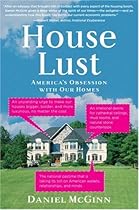
House Lust, The New American Tradition

More than just incessant cocktail party banter, or water cooler chatter, America's love for all things housing gets some of the blame for the current boom-to-bust cycle

by Broderick Perkins
© 2008 DeadlineNews.Com

Deadline Newsroom - Here's a quick quiz that should really hit home.

While on vacation, do you stare in storefront windows at real estate listings?

Are the Web sites Zillow.com, Trulia.com and Propertyshark.com, at the top of your Web browser bookmark list?

Can you name the hosts of TV shows "This Old House" or "Extreme Makeover: Home Edition"?

If you are nodding your head "yes" to those questions and others there's a good chance you suffer something called "house lust," a fetish-like preoccupation with everything real estate.

House lust has become as American as apple pie, says Daniel McGinn, a Boston-based national correspondent for Newsweek. He ought to know. He wrote the book on the subject: "House Lust: America's Obsession With Our Homes" (Random House, $24.95).

McGinn's research indicates house lust gets some of the blame for the last housing boom-to-bust cycle because the distinctly-American addiction caused many buyers to overdose on more house than they could afford. Easy mortgage money made it affordable to carry a monkey on your back.

McGinn says instead of taking the pragmatic roof-over-your-head approach to housing, Americans have become emotional infants about shelter. They envy, scheme over, bellyache about and ogle homes they can't have and probably don't need.

Called a "mania for homes" house lust reached fever pitch during the last boom when supersized trophy homes, second, third and fourth homes, household-disrupting renovations, over bidding, and the fascination with real estate Web sites and TV programming reached "obscene" levels, says McGinn.

Even professionals left tenured careers to rush off and join the army of real estate agents.

McGinn, who explores the seven deadly sins of house lust in his book, conducted research during sleep-overs in models homes, at real estate investment seminars and by obtaining his real estate license in a single weekend.

Is the housing bust creating withdrawal symptoms?

No, says McGinn. The possibility of more house lust euphoria trumps any temporary pain caused by the housing crunch.

Here's what McGinn's research uncovered.

• Bigger is better. McGinn spent time with a couple who traded up in a series of houses that started at 2,000 square feet and ended with a $3 million 9,000 square foot McMansion that includes a men's hangout room and twin dishwashers. The couple says their backyard is still too small.

• Virgin homes. McGinn uncovered the "ick factor" a cultural penchant for shiny, new things. People prefer an unsullied new home's smell rather than living in someone else's grit. The penchant helps fuel new home construction.

• Voyeurism. American's have become both virtual and real life looky-loos gathering intel on line from a growing number of data-based real estate web sites and visiting open house events with no intention to buy.

• Money lust. Too many, real estate is money rather than shelter. It's the dot com stock of the New Millennium. In fact, many refugees from the dot com disaster sought financial shelter in real estate. And many of those speculators now feel like they've had a bad weekend at the crap tables in Sin City.

Disclaimer: The writer of this article also has house lust. His dream home is a real, newly built, masonry, commercial loft, with a California ocean view. Yes an unstable structure built on unstable sand in unstable Earthquake Country. It would have to be an engineering marvel. But he has to have it.

Advertise on DeadlineNews.Com

© 2008 DeadlineNews.Com

Broderick Perkins, an award-winning consumer journalist of 30 years, is publisher and executive editor of San Jose, CA-based DeadlineNews.Com, a real estate news and consulting service, and the new Deadline Newsroom, DeadlineNews.Com's new backshop. In both cases, it's where all the news really hits home.


DeadlineNews.Com's Editorial Content Is Intellectual Property • Unauthorized Use Is A Federal Crime


Read more!

Sunday, January 6, 2008

California New Home Rebound Forecast

California's new home market is due to begin its recovery this year, according to the California Building Industry Association

by Broderick Perkins
© 2008 DeadlineNews.Com

Deadline Newsroom - If fence-sitting new home buyers in California wait much longer for the bottom of the market, it could very well slip out from under them.

California's new home market is due to begin its recovery this year, according to the California Building Industry Association.

The new home market won't come back with boom, but the Golden State's new home sales in 2008 will outshine those from in 2007.

Alan Nevin, chief economist for the state's new home building association, says you can count on a modest recovery in California's new home market this year.

Nevin forecasts new, single-family home sales will increase enough in the last six months of 2008 to boost sales to more than 80,000 for the year.

Buyers purchased 70,000 single-family homes in 2007.

Condo sales will edge up too. Buyers are expected to acquire 47,000 new condos in 2008, up from approximately 44,000 in 2007, according to Nevin.

What's fueling the California comeback?

Nevin says California's persistent population growth, shrinking new home inventories and a friendlier credit climate will give more consumers incentives to buy new.

However, before there's another real housing boom in the nation's largest western state, California has to tackle a host of issues.

Dwindling land supplies, a gauntlet of environmental reviews before development, and what the association considers "capricious and arbitrary" impact fees all stand in the way of the kind of development necessary to keep prices affordable.

"Making more land available for new homes and controlling fees on homeownership will help stimulate the housing industry and ensure the projected gains in the market are realized and the dream of homeownership and economic prosperity are regained, said CBIA chairman Ray Becker.

For 2008, the projected total 128,000 new home sales pale by comparison to the peak level 213,000 new homes sold in 2004.

The state needs to build 240,000 homes per year to develop the kind of affordable housing market that will meet the needs of its growing population, according to the CBIA

More California news that really hits home.

Advertise on DeadlineNews.Com

© 2008 DeadlineNews.Com

Broderick Perkins, an award-winning consumer journalist of 30 years, is publisher and executive editor of San Jose, CA-based DeadlineNews.Com, a real estate news and consulting service, and the new Deadline Newsroom, DeadlineNews.Com's new backshop. In both cases, it's where all the news really hits home.


DeadlineNews.Com's Editorial Content Is Intellectual Property • Unauthorized Use Is A Federal Crime


Read more!