Tuesday, January 29, 2008

Preservationist Sounds Aspen Vacation Home Alarm

Aspen's big, empty, always-on vacation homes are gassing the planet with more carbon dioxide per home than homes that are always occupied.

by Broderick Perkins
© 2008 DeadlineNews.Com

Deadline Newsroom - In a growing number of areas in the tiny, historic town of Aspen, CO it feels a lot like an empty movie set. The lights are on, but in many cases, well, nobody's home.

That's not just a cheap shot, but what local Joanne Ditmer would consider fair criticism of county planners who've allowed parts of Aspen to resemble a ghost town most of the year.

Of the nearly 6,000 homes in and around Aspen, more than half of them are luxury vacation McMansions occupied less than three months out of the year, typically during high snow season.

Ditmer is a preservationist awarded by Colorado Preservation Inc. as a pioneer in saving historic buildings.

Also an environmental and urban issues columnist for the Denver Post since 1962, Ditmer says, while the empty vacation retreats certainly threaten the fabric of Aspen's historic, small-town way of life, there's a more global problem to consider.

Aspen's Sopris Foundation says one sprawling vacation home emits more than four times the level of carbon dioxide per day from a full-time home. The vacation homes, says the foundation, are responsible for more than 60 percent Aspen's total residential carbon footprint.

That's because, in many of the newer, often-vacant luxury crash pads, not only are the lights really on around the clock when nobody's home, the homes also come with heated driveways and roofs to melt the snow, heated swimming pools, heated towel rods and heated hot tubs --- not to mention the heated expanse of square footage.

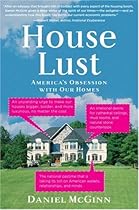
Aspen's vacation homes are a prime example of the kind of residential real estate over-indulgence recently described in Daniel McGinn's "House Lust: America's Obsession With Our Homes" (Random House, $24.95).

Among them is the nation's most expensive, perhaps most infamous residential listing, Saudi Arabia Prince Bandar's 56,000 square foot, 96 acre estate, currently listed for a cool $135 million.

Part-time Aspen residents also include: Victoria Beckham ("Posh Spice"), Kevin Costner, Felicity Huffman and Jack Nicholson.

Granted, most of the homes are a mere 10,000 square feet or less, but there's more -- the Sopris Foundation says the county's master plan is only 40 percent built out.

With a remaining 60 percent yet to come in the urban core, Aspen may be just getting started as a more than mile-high vacation home playground for the rich and famous.

"With 60 percent more growth, would anything be left of Aspen, and the Roaring Fork Valley, that is unique and splendid?" laments a saddened Ditmer in a recent column.

Advertise on DeadlineNews.Com

© 2008 DeadlineNews.Com

Broderick Perkins, an award-winning consumer journalist of 30 years, is publisher and executive editor of San Jose, CA-based DeadlineNews.Com, a real estate news and consulting service, and the new Deadline Newsroom, DeadlineNews.Com's new backshop. In both cases, it's where all the news really hits home.


DeadlineNews.Com's Editorial Content Is Intellectual Property • Unauthorized Use Is A Federal Crime


Read more!

House Lust, The New American Tradition

More than just incessant cocktail party banter, or water cooler chatter, America's love for all things housing gets some of the blame for the current boom-to-bust cycle

by Broderick Perkins
© 2008 DeadlineNews.Com

Deadline Newsroom - Here's a quick quiz that should really hit home.

While on vacation, do you stare in storefront windows at real estate listings?

Are the Web sites Zillow.com, Trulia.com and Propertyshark.com, at the top of your Web browser bookmark list?

Can you name the hosts of TV shows "This Old House" or "Extreme Makeover: Home Edition"?

If you are nodding your head "yes" to those questions and others there's a good chance you suffer something called "house lust," a fetish-like preoccupation with everything real estate.

House lust has become as American as apple pie, says Daniel McGinn, a Boston-based national correspondent for Newsweek. He ought to know. He wrote the book on the subject: "House Lust: America's Obsession With Our Homes" (Random House, $24.95).

McGinn's research indicates house lust gets some of the blame for the last housing boom-to-bust cycle because the distinctly-American addiction caused many buyers to overdose on more house than they could afford. Easy mortgage money made it affordable to carry a monkey on your back.

McGinn says instead of taking the pragmatic roof-over-your-head approach to housing, Americans have become emotional infants about shelter. They envy, scheme over, bellyache about and ogle homes they can't have and probably don't need.

Called a "mania for homes" house lust reached fever pitch during the last boom when supersized trophy homes, second, third and fourth homes, household-disrupting renovations, over bidding, and the fascination with real estate Web sites and TV programming reached "obscene" levels, says McGinn.

Even professionals left tenured careers to rush off and join the army of real estate agents.

McGinn, who explores the seven deadly sins of house lust in his book, conducted research during sleep-overs in models homes, at real estate investment seminars and by obtaining his real estate license in a single weekend.

Is the housing bust creating withdrawal symptoms?

No, says McGinn. The possibility of more house lust euphoria trumps any temporary pain caused by the housing crunch.

Here's what McGinn's research uncovered.

• Bigger is better. McGinn spent time with a couple who traded up in a series of houses that started at 2,000 square feet and ended with a $3 million 9,000 square foot McMansion that includes a men's hangout room and twin dishwashers. The couple says their backyard is still too small.

• Virgin homes. McGinn uncovered the "ick factor" a cultural penchant for shiny, new things. People prefer an unsullied new home's smell rather than living in someone else's grit. The penchant helps fuel new home construction.

• Voyeurism. American's have become both virtual and real life looky-loos gathering intel on line from a growing number of data-based real estate web sites and visiting open house events with no intention to buy.

• Money lust. Too many, real estate is money rather than shelter. It's the dot com stock of the New Millennium. In fact, many refugees from the dot com disaster sought financial shelter in real estate. And many of those speculators now feel like they've had a bad weekend at the crap tables in Sin City.

Disclaimer: The writer of this article also has house lust. His dream home is a real, newly built, masonry, commercial loft, with a California ocean view. Yes an unstable structure built on unstable sand in unstable Earthquake Country. It would have to be an engineering marvel. But he has to have it.

Advertise on DeadlineNews.Com

© 2008 DeadlineNews.Com

Broderick Perkins, an award-winning consumer journalist of 30 years, is publisher and executive editor of San Jose, CA-based DeadlineNews.Com, a real estate news and consulting service, and the new Deadline Newsroom, DeadlineNews.Com's new backshop. In both cases, it's where all the news really hits home.


DeadlineNews.Com's Editorial Content Is Intellectual Property • Unauthorized Use Is A Federal Crime


Read more!